Loading…
Peoples and ways of life · book
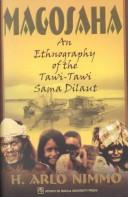
Magosaha
An Ethnology of the Tawi-Tawi Sama Dilaut
- Publisher
- Ateneo de Manila University Press
- Year
- 2001
- Language
- English
- Pages
- 261
- ISBN
- 9789715503693
- Availability
- In print
Still in print: the link goes to a shop that sells it.
About the book
Nimmo’s return to the Sama Dilaut three decades on: the full ethnography of a people who had by then mostly come ashore.
Magosaha sums up H. Arlo Nimmo's research among the Sama Dilaut, the boat-dwelling Sama of the Tawi-Tawi islands. Earlier writers, Nimmo among them, called these people "Badjau" or sea gypsies; in this book he uses the name Sama Dilaut. He first did fieldwork with them in the 1960s, and returned in 1977, 1982 and 1997.
The book records Sama Dilaut boats and houseboats, fishing, households and kin, the yearly round, ritual, shamans, the care of the dead and the honouring of ancestors. Its main argument is about change over 4 decades. The trade in sea and forest products, the spread of Islam, armed rebellion and military occupation together cost the Sama Dilaut much of their material culture, above all their boat-houses and old ways of fishing. They kept, the book finds, their own view of the world and their ties to their ancestors.
Kathleen Nadeau, reviewing it in the Journal of Asian Studies, called it the culmination of Nimmo's life's work. Yale's Human Relations Area Files rates it as excellent primary data.
From ehrafworldcultures.yale.edu, cambridge.org, archium.ateneo.edu, archive.org.
Cover from Open Library, shown to identify the book; its rights stay with the publisher.
More by H. Arlo Nimmo
1972Out of print
The Sea People of SuluH. Arlo Nimmo
The boat-dwelling Sama Dilaut of Tawi-Tawi in the 1960s and the changes already reaching them, from the anthropologist who lived among them.
1994Out of print
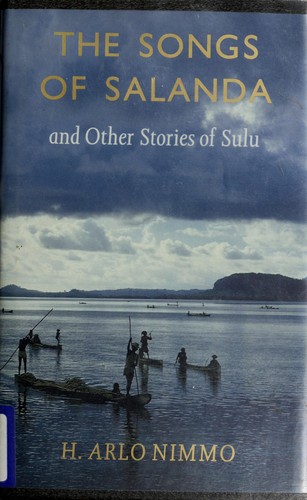
The Songs of Salanda and Other Stories of SuluH. Arlo Nimmo
Stories of the Sama Dilaut of Tawi-Tawi, written by the anthropologist who lived among them, from what he saw and was told.
On the same shelf
1979Out of print
Muslim Filipinos: Heritage and HorizonPeter G. Gowing
A general introduction to the Muslim peoples of the Philippines, their history, faith and institutions and their place in the republic, written for Filipino readers from the Dansalan Research Center in Marawi.
2002In print
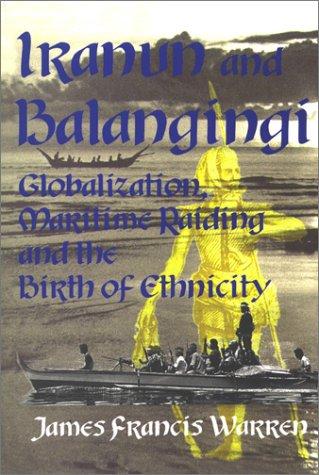
Iranun and BalangingiJames Francis Warren
The Iranun and Balangingi raiders of the eighteenth and nineteenth centuries, the world economy that called their raiding into being, and how a way of life became an ethnic name.
1991Out of print
The Institutions of MaguindanaoGhislaine Loyré
The sultanate, the datus, the law and the ranks of Maguindanao society, set out from Spanish sources and the author’s ethnographic fieldwork.
2007In print
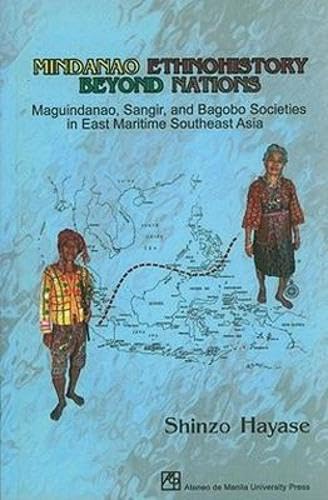
Mindanao Ethnohistory beyond NationsShinzo Hayase
Maguindanao, Sangir and Bagobo as peoples of one sea rather than of two countries, in a history that crosses the border with Indonesia the way they did.
1993Out of print
The Lumad and Moro of MindanaoB. R. (Rudy) Rodil
A short report for an international readership on the two peoples displaced by the settlement of Mindanao and the state of their claims in the early 1990s.
2007Free to read
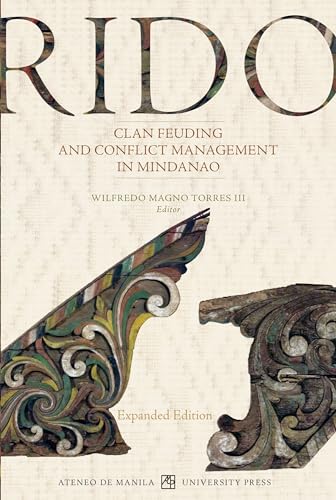
Ridoed. Wilfredo Magno Torres III
The first systematic study of rido, the clan feuds that take more lives in Muslim Mindanao than the rebellion, with case studies from Lanao, Maguindanao, Sulu and Basilan and the ways communities settle them. Expanded edition from Ateneo de Manila University Press in 2014; the original is free to read.
More from Ateneo de Manila University Press
1991Out of print
Liberalism and the Quest for Islamic Identity in the PhilippinesKenneth E. Bauzon
How the liberal state and the Moro search for an Islamic political identity have failed to meet, by a Filipino political scientist.
2000In print
Making MindanaoPatricio N. Abinales
How Cotabato and Davao were drawn into the Philippine state in the first half of the twentieth century, through the datus and settler elites who learned to work it, and what that made of Mindanao politics.
2004In print
The Great IslandMiguel A. Bernad
Essays on the exploration of Mindanao and the Christian missions there from the sixteenth century on, by a Jesuit historian who spent his later life in Cagayan de Oro.
2005In print
UkkilLigaya Fernando-Amilbangsa
The carved, woven and worked ornament of Sulu, ukkil, in a large illustrated study by the dancer and scholar who spent her life recording the archipelago’s arts.
2007In print
Mindanao Ethnohistory beyond NationsShinzo Hayase
Maguindanao, Sangir and Bagobo as peoples of one sea rather than of two countries, in a history that crosses the border with Indonesia the way they did.
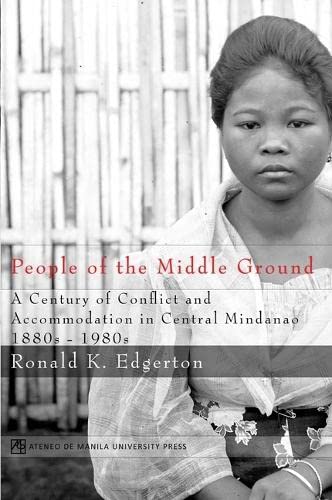
2008In print
People of the Middle GroundRonald K. Edgerton
A hundred years in the Bukidnon–Lanao borderlands, where Maranao, Lumad, settlers and the state met and sometimes made terms.